
No products in the cart.
The Language of Clothes: How Dress Speaks Volumes About Us 😊
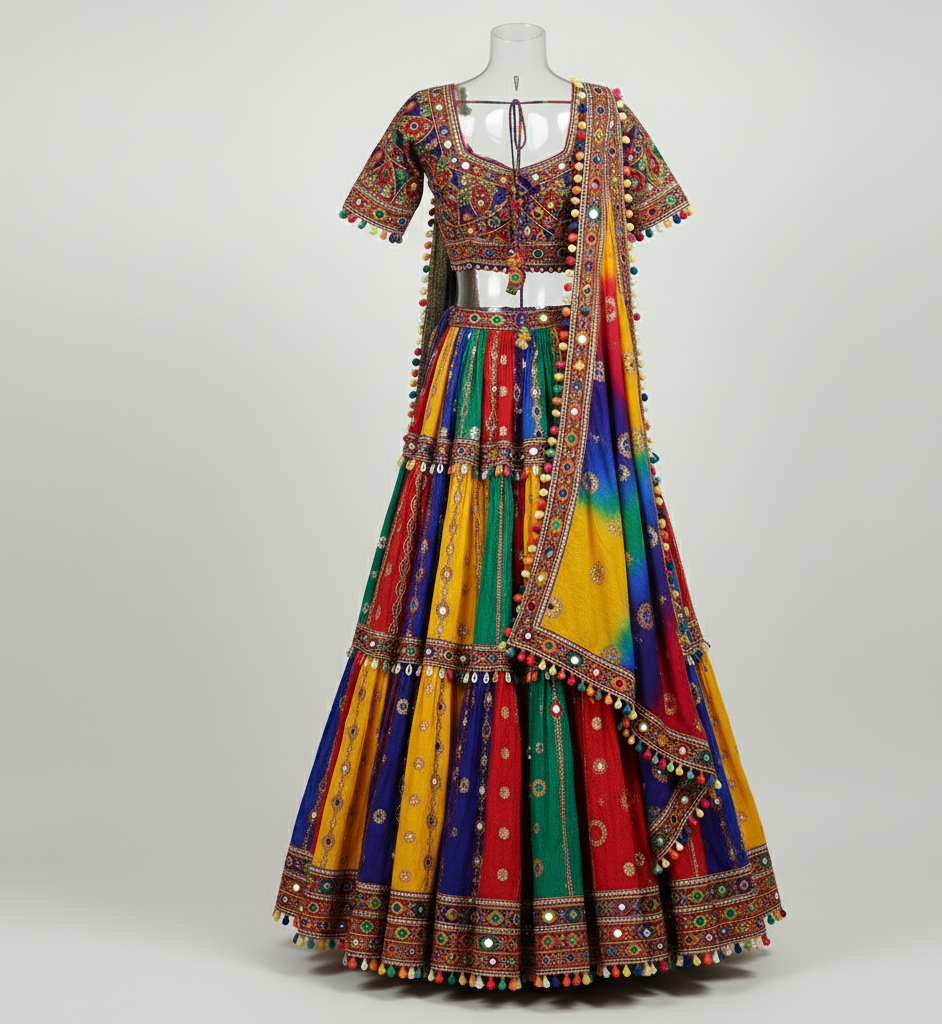
Clothes—the fabrics we wrap ourselves in, At its core, clothing serves a practical purpose: protection from the elements. But humans have long transcended mere functionality, turning dress into an art and a language. Traditional attire, for instance, carries the weight of heritage. The intricate sarees of India, with their vibrant patterns and weaves, speak of regional identities—be it the Banarasi silk of Varanasi or the Kanjeevaram silk of Tamil Nadu. Similarly, a kimono in Japan or a kilt in Scotland isn’t just clothing; it’s a narrative of history, values, and belonging. When we don traditional wear, we connect with roots and pay homage to a legacy that transcends time.
On the other hand, modern fashion is a playground for individuality. Urban streets are a kaleidoscope of trends, where clothes become tools for self-definition. A crisp suit might project professionalism, while ripped jeans and a band tee scream rebellion. Celebrities, influencers, and designers shape this landscape, dictating what’s “in” and pushing boundaries. Yet, amid trends, clothing remains personal. A corporate executive might inject personality into a formal outfit with a quirky tie or statement earrings, balancing conformity with flair. For others, thrifting and sustainable fashion are statements against fast fashion’s wasteful tide, merging ethics with aesthetics.
Clothes also mirror societal dynamics. In workplaces, attire often dictates perceived competence—a lesson many learn early. Dress codes, formal or casual, regulate environments, subtly enforcing norms. Yet, defiance exists too. The once-taboo ripped jeans now grace high-fashion runways, blurring lines between rebellion and mainstream acceptance. Cultural appropriation debates remind us that clothes can ignite conversations about respect versus exoticism, where borrowed styles risk reducing traditions to trends.
Psychologically, what we wear impacts how we feel and how others perceive us. The “power suit” isn’t just clothes—it’s confidence. A well-tailored outfit can elevate mood, sharpen focus, and even alter behavior, a phenomenon known as “enclothed cognition.” Conversely, uncomfortable or ill-fitting clothes can distract and deflate. This interplay between self-perception and external judgment underscores clothing’s duality: it’s both a shield and a mirror.
However, as much as clothes empower, they can also constrain. Fast fashion pressures people to chase unattainable standards, fuelling insecurities. Body image ideals dictated by runway models clash with diverse realities, leaving many feeling “undressable.” Cultural policing, too, persists—where dress choices invite scrutiny, especially for women, minorities, or marginalized groups. A hijab, a turban, or even ripped clothing can spark debates about identity, freedom, and belonging, proving that clothes are never just fabric.
In the end, clothes are a canvas for the self, painted with threads of culture, context, and choice. They let us belong, rebel, or simply exist on our terms. Stripping away judgments, dress becomes a dialogue—a blend of tradition, innovation, and personality. As we step out, dressed for the day, we wear not just threads, but stories. And in that silent language, we communicate exactly who we are—or who we aspire to be.
